How to Find the Right Skylight for Your Roof: A Comprehensive Buyer's Guide
Choosing the perfect skylight for a roof involves careful consideration of various factors. From learning about various styles to determining the appropriate dimensions and position, all determinations affect the complete functionality and appearance. Thermal performance qualities and construction materials likewise hold significant importance. Furthermore, the decision between self-installation and engaging a specialist can affect both expenses and results. As options abound, making an informed decision can be challenging yet rewarding. Where should one begin when narrowing down options?
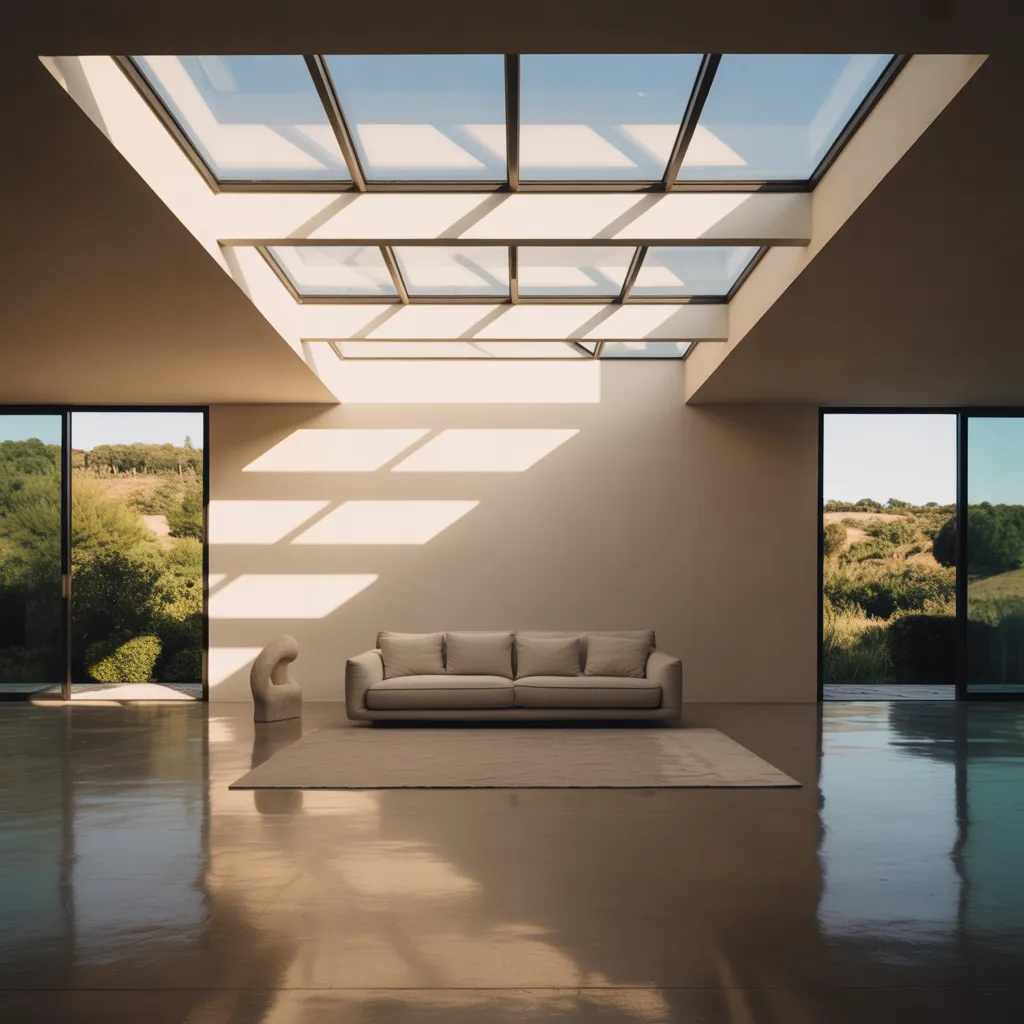
A Guide to Different Skylight Types
Skylights exist in a variety of types, each designed to serve specific needs and aesthetics. Fixed skylights are non-opening units designed chiefly to bring in natural light, making them ideal for spaces where ventilation is not a concern. Ventilated skylights, by contrast, are designed to open and promote air circulation, enhancing indoor comfort. Tubular skylights feature a slim, important resource compact design suited for confined spaces, channeling sunlight through a reflective tube, making them an excellent solution for hallways or bathrooms.
A range of glass types exists, encompassing acrylic and polycarbonate varieties, all of which offer unique insulation and UV protection properties. In addition, certain skylights come equipped with integrated blinds or shades, offering greater control over light and privacy. Picking the ideal type means taking into account factors such as climate, room function, and architectural style, ensuring that the selected skylight complements the overall design while fulfilling practical requirements.
Choosing the Right Size and Placement
When selecting the ideal dimensions and positioning for a skylight, it is vital to take into account both the measurements of the room and the desired amount of natural light. A bigger skylight can improve light levels in expansive areas, while more compact choices may work well for confined rooms. Additionally, the height of the ceiling and the direction the room faces should influence the decision; southward-facing positions typically maximize sunlight exposure.
Appropriate placement is vital for achieving perfect light distribution. Skylights placed toward the middle of a room are capable of lighting a wider space, while those mounted nearer to walls tend to produce concentrated light zones. It is furthermore essential to account for potential barriers, such as surrounding trees or nearby buildings, which might impede sunlight. In the end, carefully weighing size and positioning ensures that the skylight successfully improves the atmosphere and usability of the area, establishing a balanced setting abundant with natural light.
Key Energy Efficiency Features in Skylights
Opting for skylights that prioritize energy efficiency can have a major effect on a household's total energy consumption. Energy-efficient skylights commonly include dual or triple glazing, which minimizes heat transfer and helps maintain indoor temperatures. Low-emissivity (Low-E) coatings represent another vital characteristic, deflecting infrared light while permitting natural sunlight to pass through, thereby reducing reliance on artificial lighting.
Additionally, skylights outfitted with insulated frames further enhance thermal performance, eliminating cold drafts in winter and unwanted heat buildup during summer months. Carefully crafted skylights can also include ventilation systems, enabling natural airflow that works to maintain indoor climate without high energy costs.
Moreover, opting for models with a strong solar heat gain coefficient (SHGC) can optimize solar energy advantages, confirming that homes remain comfortable year-round. By focusing on these key energy efficiency features, homeowners can secure substantial savings on energy expenses while contributing to a more sustainable living environment.
Materials That Enhance Durability and Style
When choosing a skylight, the type of materials plays a vital role in both longevity and visual appeal. Homeowners have the option between glass and acrylic options, each offering distinct advantages regarding durability and transparency. Furthermore, the frame material must be considered to guarantee peak performance and style integration with the overall roof design.
Glass vs. Acrylic Options
Which material best balances durability and aesthetics for skylights: glass or acrylic? Glass skylights are well known for their exceptional clarity and resistance to yellowing over time, making them a popular choice for homeowners who prioritize longevity and a polished appearance. They also offer superior scratch resistance, ensuring a clear view and minimal maintenance. Conversely, acrylic skylights are lighter and more impact-resistant, making them suitable for areas prone to extreme weather or potential debris. However, they may require more frequent replacement due to susceptibility to UV degradation. At the end of the day, selecting between glass and acrylic comes down to the homeowner's individual priorities, such as aesthetic preferences, acceptable maintenance levels, and local environmental factors. Each material brings unique advantages, tailored to different needs and preferences.
Frame Material Selection Considerations
A skylight's frame material is crucial to both durability and aesthetic appeal. Popular options include aluminum, wood, and vinyl, each offering distinct advantages. Aluminum framing is known for being light and corrosion-resistant, making them ideal for diverse weather conditions. Wood frames provide a classic look and excellent insulation but require regular maintenance to prevent deterioration. Vinyl framing options are minimal in upkeep and highly energy-efficient, providing strong protection against moisture and UV exposure. While deciding on a frame material, take into account regional climate, the home's architectural style, and preferred upkeep levels. In the end, the best selection will boost the skylight's lifespan while harmonizing with the roof's architectural character.
Is It Better to DIY or Hire a Professional for Installation?
When thinking about skylight installation, homeowners need to balance their skills and experience against the complexities of the task. Cost considerations also play an essential role, as DIY attempts may appear cost-effective but can result in unexpected costs. Furthermore, the risks associated with improper installation can lead to significant long-term issues.
Required Skills and Experience
Considering whether to tackle skylight installation as a do-it-yourself endeavor or hire a professional requires thoughtful consideration of one's abilities and background. Those with a strong background in construction, roofing, or carpentry may find themselves capable of handling the skylight installation process. Familiarity with tools and safety protocols can make the project more manageable. In contrast, individuals lacking experience may face difficulties, particularly with sealing and load-bearing requirements. Accurate installation is necessary to prevent leaks and other issues. A trained specialist, with dedicated tools and expertise, can guarantee a seamless installation and address potential complications. In the end, weighing personal skills against the demands of the project is essential for making an informed decision.
Costs and Risk Considerations
Assessing the costs and risks of skylight installation can heavily affect the decision to pursue a self-managed project or work with a contractor. DIY enthusiasts may save on labor costs, but they must account for potential costs related to mistakes, such as moisture problems or structural harm. Moreover, the price of equipment and materials can increase substantially. Hiring a professional provides professional expertise and lowers associated risks, frequently leading to a highly efficient installation process. However, this choice comes with greater initial expenses. Property owners should evaluate their budget, abilities, and the intricacy of the project before reaching a decision. Ultimately, the decision should align with both monetary limitations and the commitment to quality craftsmanship, assuring a high-quality skylight installation.
Care Tips for Long-Lasting Skylights
Regular maintenance is essential for preserving the lifespan and effectiveness of skylights. Homeowners should begin by periodically checking the skylight for indications of damage, such as splits or moisture issues. Wiping down the glass with a mild cleanser helps maintain clarity and allows natural light to shine through unobstructed. Additionally, checking the seals and flashing regularly is essential; any degradation may result in moisture seepage, which may result in significant structural issues with time.
It is also advisable to remove debris from the area surrounding the skylight, as built-up leaves and dirt may retain moisture and encourage mold development. If the skylight has a manual opening mechanism, applying lubrication on a routine basis will guarantee effortless operation. For those with electric skylights, testing the motor and electrical connections can prevent future malfunctions. By following these upkeep recommendations, homeowners can considerably extend the lifespan of their skylights while preserving their aesthetic and functional benefits.

Answers to Your Most Common Questions
How Do Skylights Influence Indoor Temperatures Across All Seasons?
Skylights can greatly influence interior temperature levels through allowing natural light and heat during the winter months while potentially increasing heat in summer. Correct installation methods and glazing solutions work to control interior temperature levels, enhancing comfort and energy efficiency year-round.
Can Installing Skylights Make a Significant Difference in My Energy Bills?
Skylights can notably reduce energy bills by boosting the amount of natural light available, decreasing the need for man-made lighting, and optimizing airflow. Correct installation and high-efficiency models additionally improve heating and cooling performance, generating considerable financial savings over the years.
What Are the Frequent Skylight Installation Blunders to Prevent?
Typical skylight installation mistakes involve incorrect flashing, poor sealing, incorrect sizing, and ill-considered placement. Disregarding these aspects can cause leaks, thermal loss, and diminished effectiveness, eventually affecting the skylight's desired advantages and long-term performance.
How Can I Select the Best Skylight for a Flat Roof?
Choosing the ideal skylight for a flat rooftop requires examining aspects like size, material, energy efficiency, and design compatibility. Moreover, establishing correct drainage systems and installation methods can minimize the chances of water infiltration and improve longevity.
What Warranties Are Typically Offered on Skylights?
Typically, skylights are offered with warranties ranging from 10 to 20 years, covering flaws in materials and craftsmanship. Certain manufacturers also offer longer warranty coverage for particular parts, enhancing protection against leaks and related problems over time.